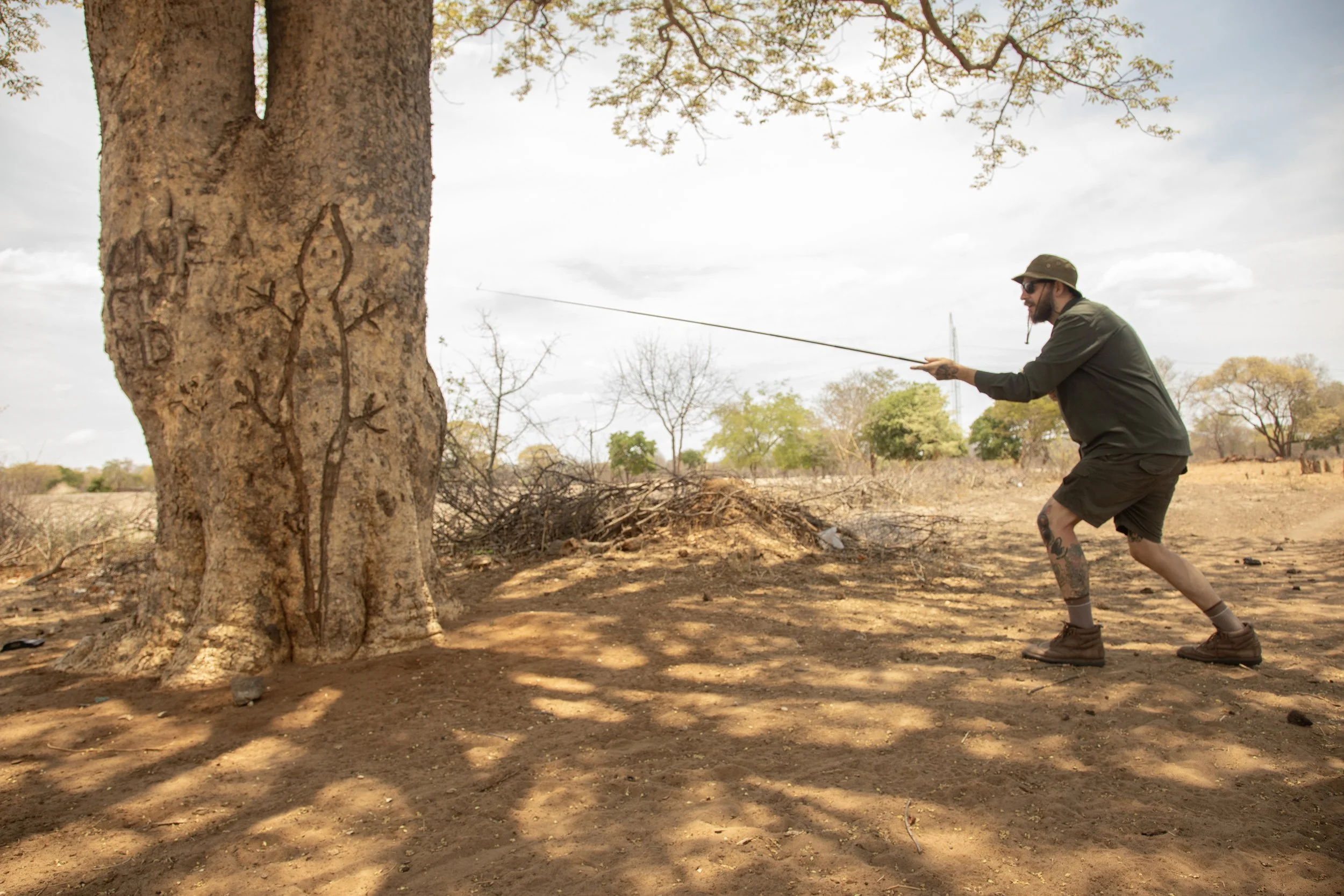
The Equipment Behind Every Expedition
Every expedition presents unique challenges. From photographing tiny leaf-litter frogs at night to documenting venomous snakes, recording cinematic footage, navigating remote landscapes, and spending days in the field, reliable equipment is essential.
This page showcases the equipment used throughout the Southern African Herpetofauna Project, explaining not only what I use, but why I use it.
The aim is not to recommend the most expensive equipment, but to demonstrate what works in real field conditions.
Photography
Camera body
Canon EOS 5D Mark IV
The workhorse camera used for the project.
Although newer cameras are available, the 5D Mark IV continues to deliver excellent image quality, robust weather sealing and dependable autofocus under challenging field conditions.
Macro lens:
Wide-angle lens:
Telephoto lens:
Flash:
Diffuser:
Tripod:
Filters:
For every item include:
Photograph
Why I chose it
What I use it for
Favourite images taken with it
Example:
Canon EOS 5D Mark IV
The workhorse camera used throughout the project.
Although newer cameras are available, the 5D Mark IV continues to deliver excellent image quality, robust weather sealing and dependable autofocus under challenging field conditions.
Used for:
Wildlife photography
Landscape photography
Documentary filming
Expedition portraits
Video Equipment
Documenting every expedition requires equipment capable of producing high-quality video in harsh environments.
Equipment includes:
DSLR
Action camera
Drone
Microphones
Lighting
Tripods
Gimbals
Example videos can be embedded beneath each piece of equipment.
Field Equipment
This is probably the most interesting section because very few people show it.
Examples:
Headlamps
UV torch
GPS
Endoscope
Snake hook
Snake tongs
Camera backpack
First aid kit
Satellite communicator (if applicable)
Power banks
Camping equipment
Explain why each item earns a place in your pack.
Computer & Editing
Many people are interested in the workflow after the expedition.
Show:
Editing Computer
Lightroom
Photoshop
Premiere Pro / DaVinci Resolve
InDesign
QGIS
Storage
Backup workflow
Memory cards
Hard drives
Vehicle
Your vehicle is part of the expedition.
Include:
Vehicle
Tyres
Recovery equipment
Fridge
Camping drawer system
Power setup
Roof rack
Lighting
Navigation
People love expedition vehicles.
Clothing
A surprisingly popular topic.
Examples:
Boots
Hiking shoes
Gaiters
Rain jacket
Field pants
Hat
Gloves
Explain why each works well in Southern African conditions.
Expedition Pack List
A downloadable checklist.
Categories:
Photography
Camping
Safety
Navigation
Clothing
Food
Electronics
Medical
This would be useful for students and aspiring field biologists.
My Everyday Carry
A fun section.
"What is always in my backpack?"
Example:
Camera
Macro lens
Flash
Headlamp
Notebook
GPS
Knife
Power bank
Water bottle
Snake hook
Spare batteries
Frequently Asked Questions
Questions people ask repeatedly.
Examples:
What camera do you use?
Which macro lens is best?
Why DSLR instead of mirrorless?
What flash diffuser do you use?
How do you photograph venomous snakes safely?
How do you protect equipment from dust and rain?
Equipment Reviews
Rather than formal reviews, write from experience.
Examples:
Canon 5D Mark IV after 500 field days
What I love
What I don't
Would I buy it again?
Best Gear Under R1,000
A budget section could become one of your most visited pages.
Examples:
Best headlamp
Best backpack
Best macro diffuser
Best tripod
Best field notebook
Give every item a Field Rating after extensive use.
For example:
ItemField RatingNotesCanon 5D Mark IV⭐⭐⭐⭐⭐Reliable in heat, rain and dust.Macro Flash⭐⭐⭐⭐⭐Essential for night photography.Headlamp⭐⭐⭐⭐☆Excellent battery life, slightly heavy.Backpack⭐⭐⭐⭐⭐Comfortable on long hikes.
That way, the page becomes much more than a gear list—it becomes a trusted field guide based on years of real-world use. As your project grows, you'll also build a valuable archive of long-term equipment reviews, something that's relatively uncommon and highly useful for other wildlife photographers and field biologists.