The Southern African Herpetofauna Project
This is where the journey begins. In Expedition 01, I travel to Zambia’s Kafue Flats in search of reptiles and amphibians. Watch the first chapter above, then read on to learn what the Southern African Herpetofauna Project hopes to document and why I’m starting the species list from scratch.
A long-term project to find, photograph, and share every reptile and amphibian species in Southern Africa
ABOUT SAHP
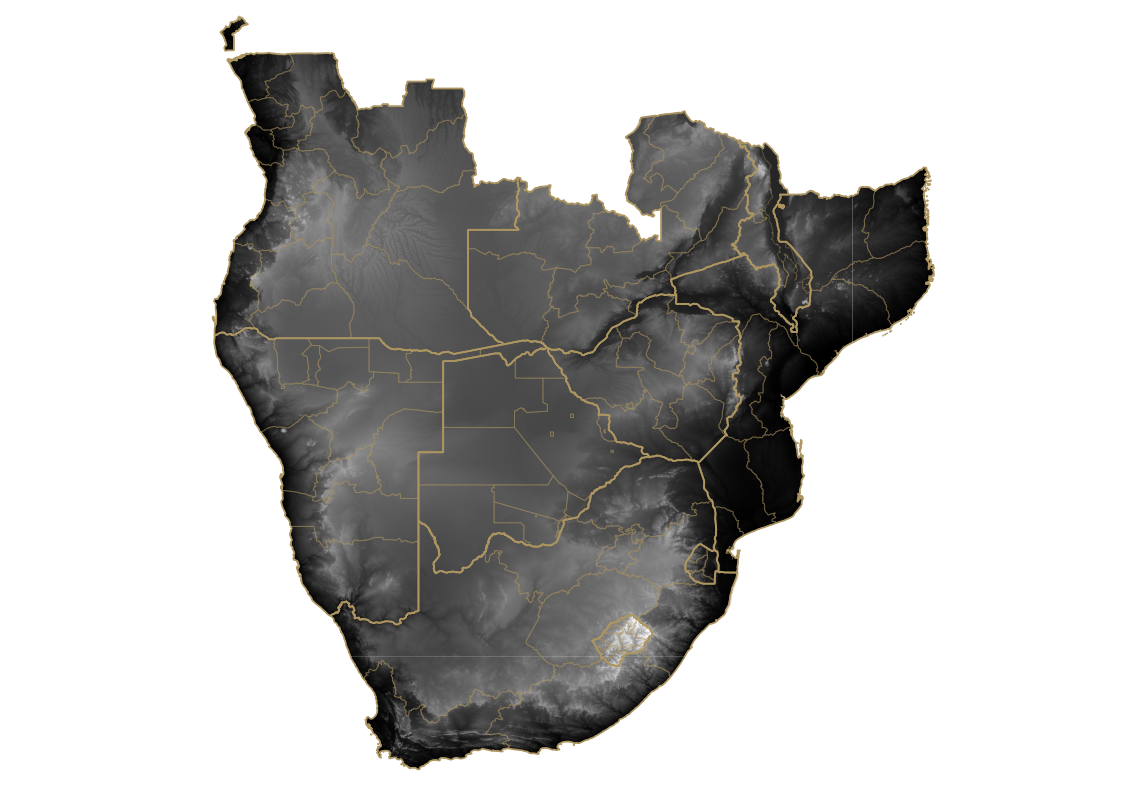
The project covers Angola, Zambia, Malawi, and Mozambique, together with all countries to their south. This region is home to an exceptional diversity of reptiles and amphibians, with over 1100 species. Some species are widespread and commonly known to most. Others occur on a single mountain, along one river system, or within a small fragment of forest.
The Southern African Herpetofauna Project is a long-term field project where, with each expedition across the region, I aim to find and photograph every reptile and amphibian species occurring in Southern Africa while documenting new information for the region’s herpetofauna. This project is about more than putting together a list of species, with the end goal of this project becoming a large contribution to herpetology.
Those that follow this project will see it all. The common gutteral toads in the garden are part of the story, just as much as an elusive gecko that has not been seen in 50 years, a rarely seen burrowing snake, or a species that may be new to science. The diversity of reptiles and amphibians in Southern Africa is also constantly changing; the project will develop with it.
Reptiles and amphibians, despite their diversity and ecological importance, remain widely misunderstood and underappreciated. Many are elusive and difficult to observe. The project will show the methods needed to find and document some of these species that are generally only seen in the pictures of field guides. The effort required to document such species, and other challenges, come with this line of work.
ABOUT THE EXPEDITIONS
The project will be divided into numbered expeditions, with each one exploring a particular region, habitat, or group of target species. The expedition will involve a range of exciting aspects of what I do, such as pre-planning, travelling hundreds or thousands of kilometres, searching during the day and at night, revisiting historical localities, exploring the known suitable habitats of target species, and then dealing with whatever conditions come my way while in the field.
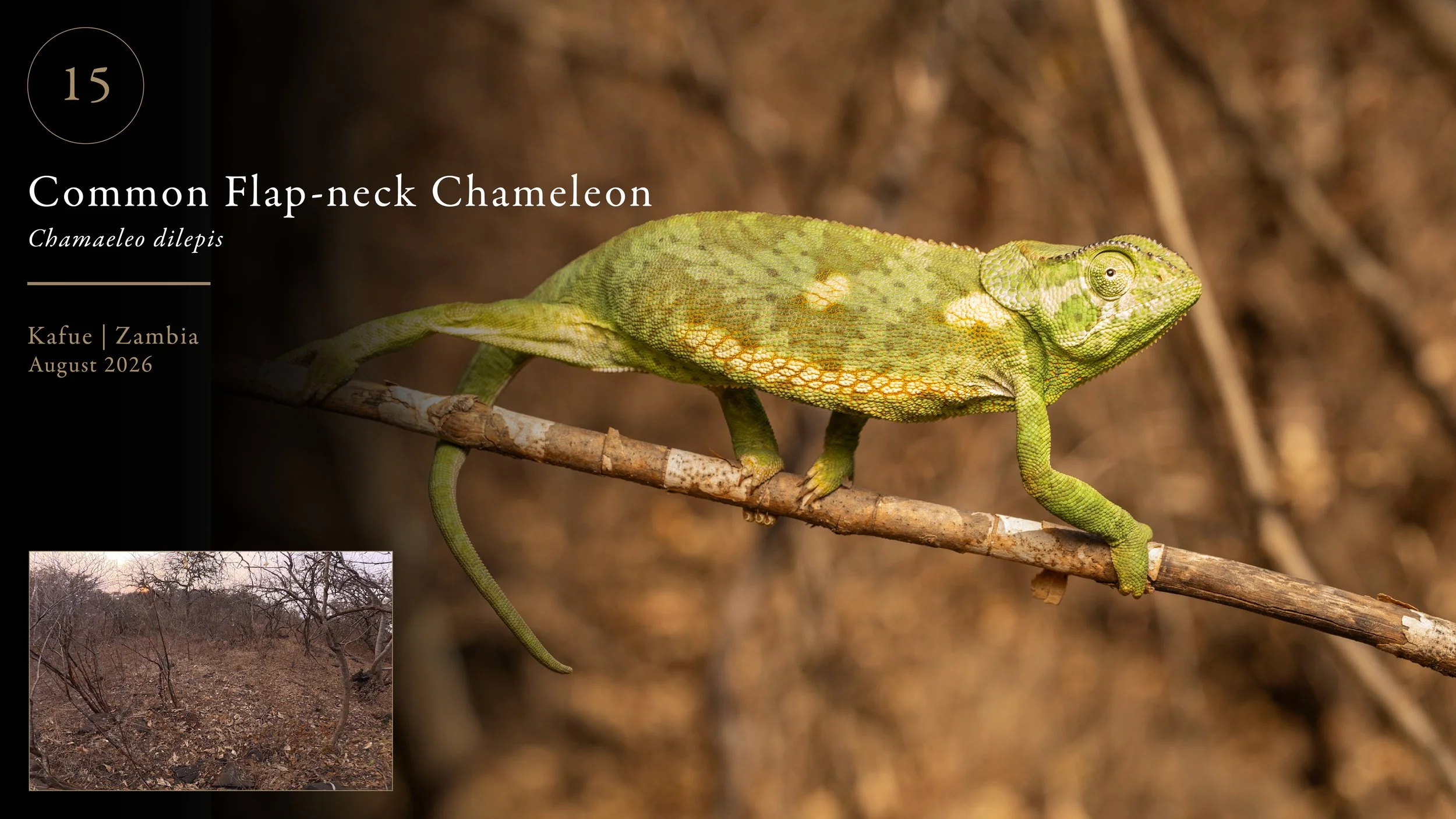
The results of field trips are then documented through systematic photographic approaches of the finds and documentary-style films. You will be able to see written expedition reports, species lists, interesting observations, the habitat and behind-the-scenes, along with updated statistics and project progress
Each find and image becomes part of the story archive, allowing those only joining the project’s journey now to go back to see the progress of the project. Overall, the long term goals of the project are not what is important. And rather if the Southern African Herpetofauna Project can encourage a deeper appreciation of reptiles, amphibians and being in nature, then I guess this has been worth it.
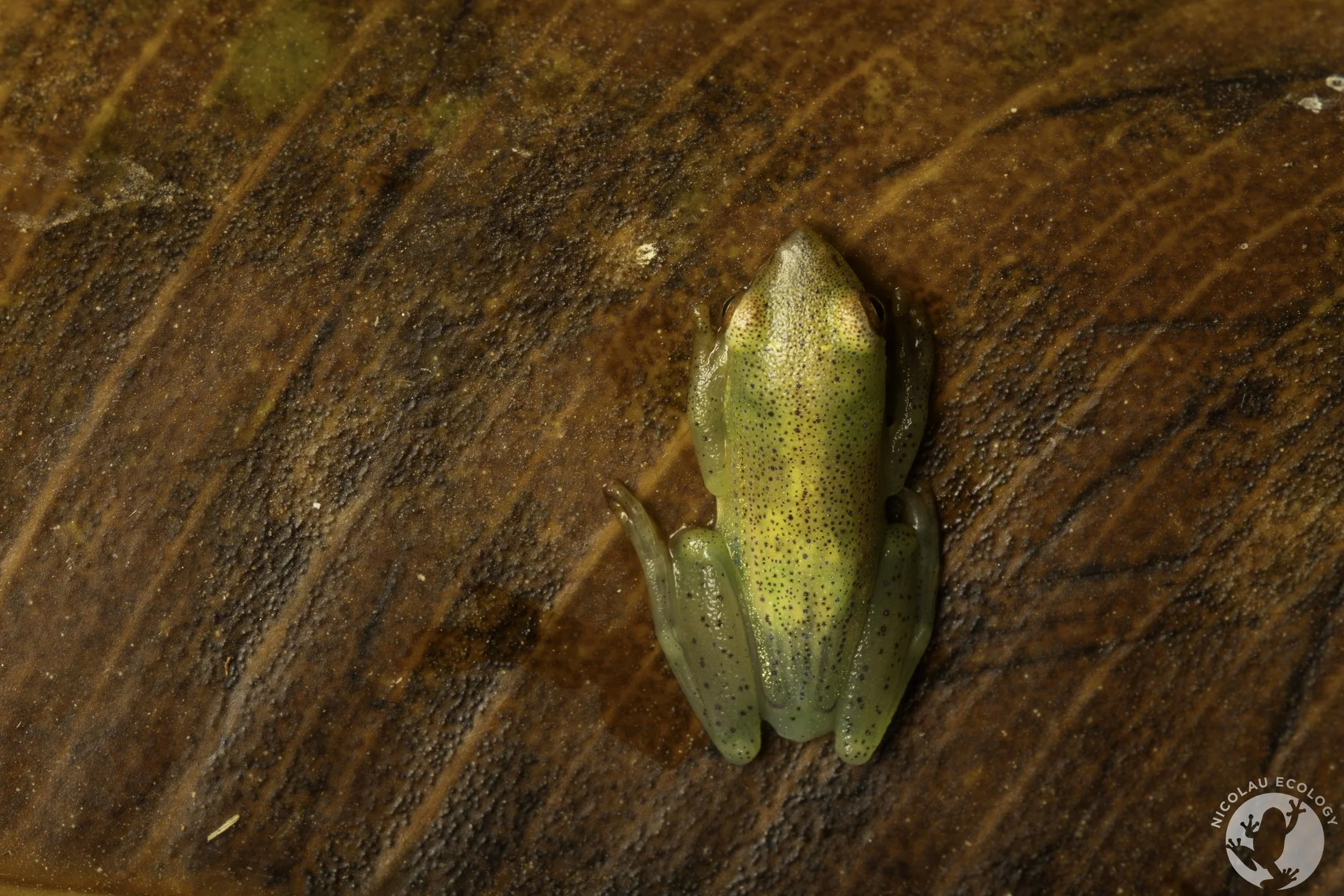
The project records progress throughout so every new species and expedition becomes part of a cumulative story.
What you can follow:
Reptile and amphibian species documented since the start of the project
Species observed during my lifetime
New species recorded during each expedition
Total expeditions
Days spent in the field
Distance travelled
Distance walked while searching
Photographs and expedition films produced
Follow the Projects Development
Every expedition is a new chapter in a much larger undertaking. Some will produce long lists of species, while others may revolve around the search for a single elusive animal. There will be successes, failed searches, unexpected discoveries and many kilometres between them.
Whether you are a scientist, photographer, naturalist or simply curious about Southern Africa’s wildlife, you are invited to follow the journey as the archive grows, the map expands and the species count continues to rise.
Expedition 01 takes us into Zambia’s Kafue Flats – a field journey combining bird and bat surveys, night-time herping, and an unpredictable search for reptiles and amphibians.