Expedition 02 | Kamberg, KwaZulu-Natal, South Africa: part 1
I arrived back at our spot in the Drakensberg from Zambia with what was almost certainly COVID. The respiratory issues continued for several weeks, and I am still not completely over them. Although this was unfortunate, it kept me insise and at my desk for a while, gaving me an opportunity to catch up on a rather disgusting and seemingly never-ending backlog of admin and work.
Once I had recovered enough, I was able to get back outside and start looking for things around us. The Raucous Toads had begun breeding and were out in large numbers; then, after some drizzle, the Striped Stream Frogs (Strongylopus fasciatus) followed. It was awesome to watch everything come back to life after what had been a particularly freezing winter, my first full winter in the Berg.
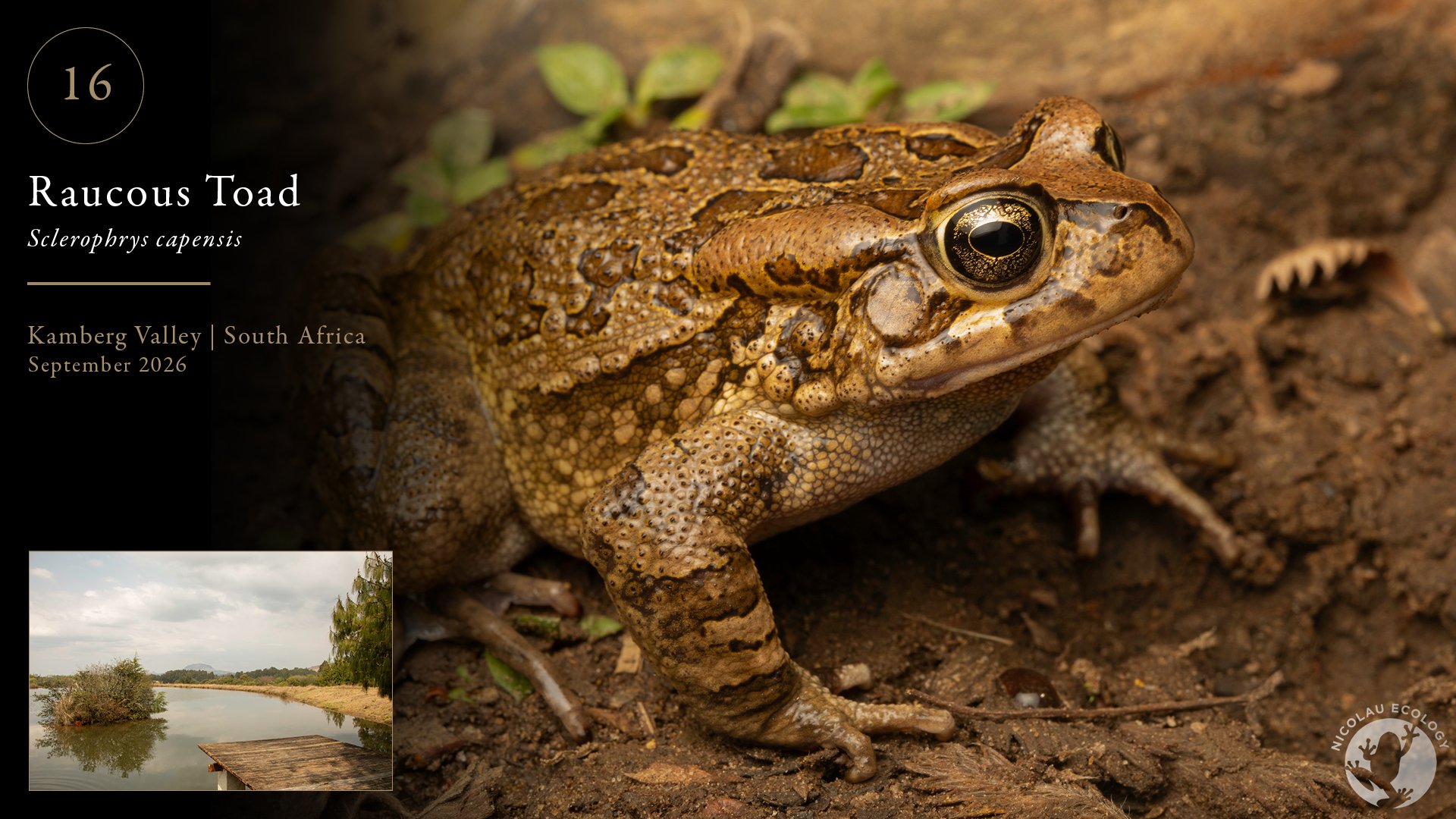
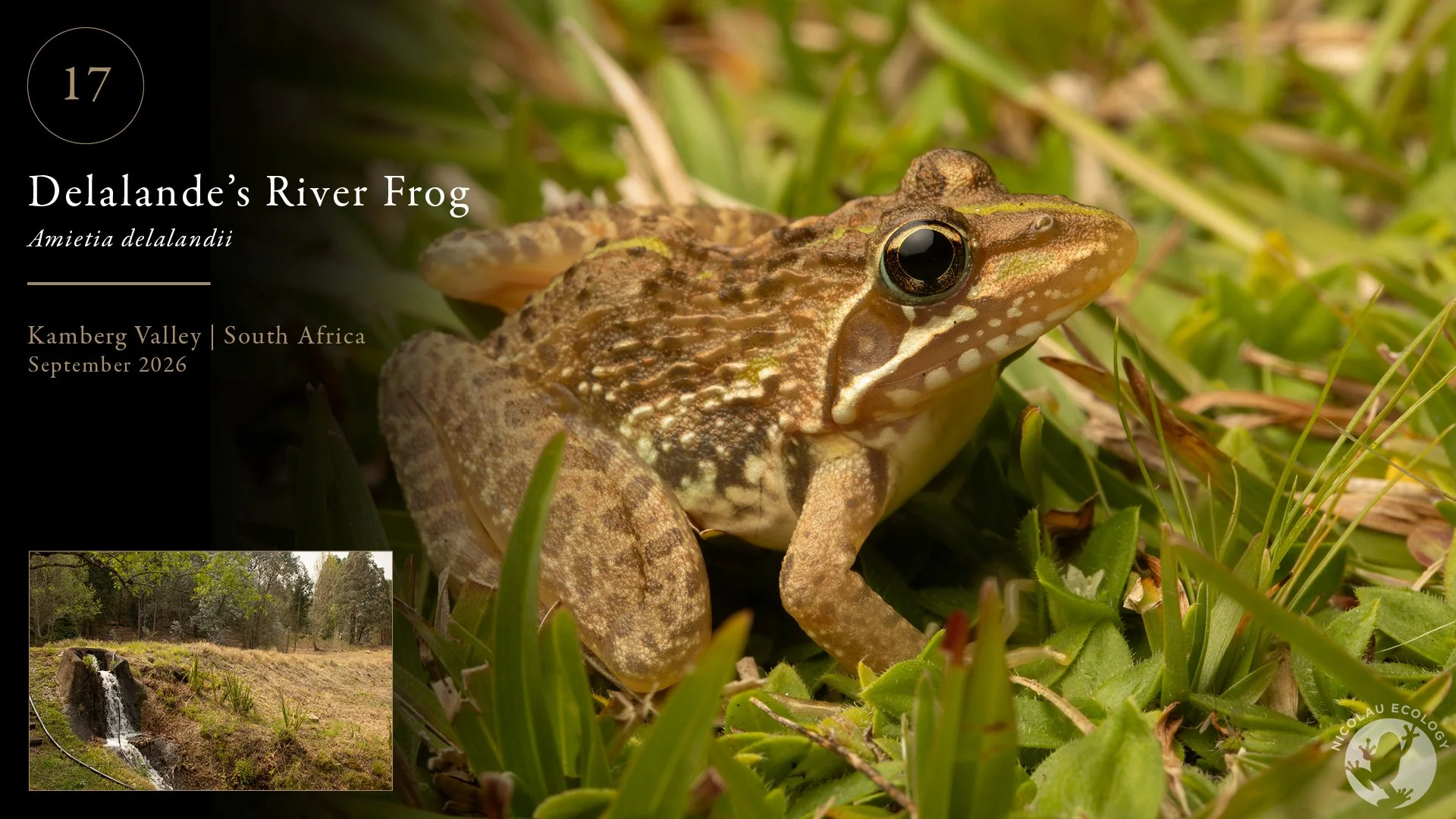
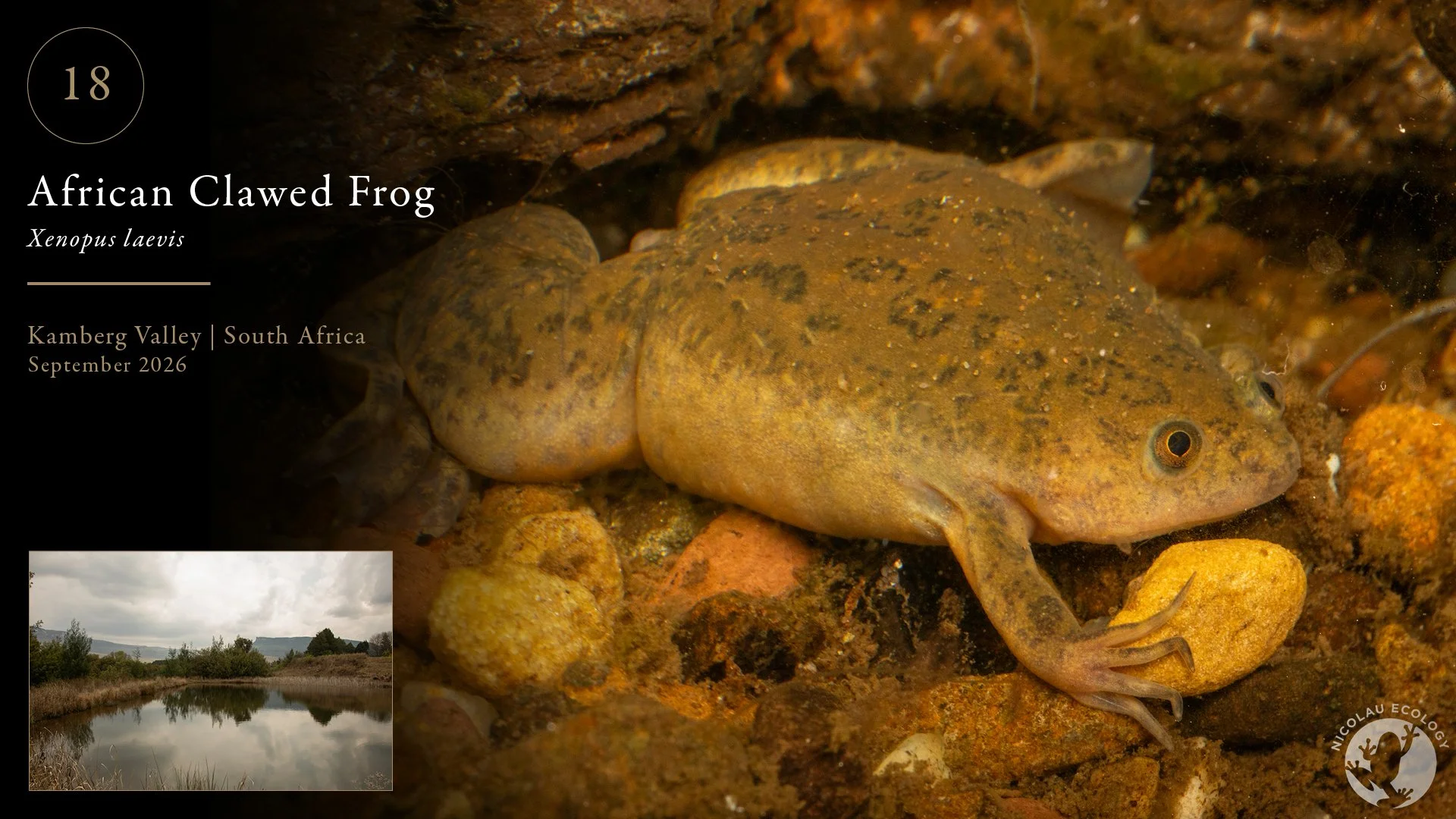
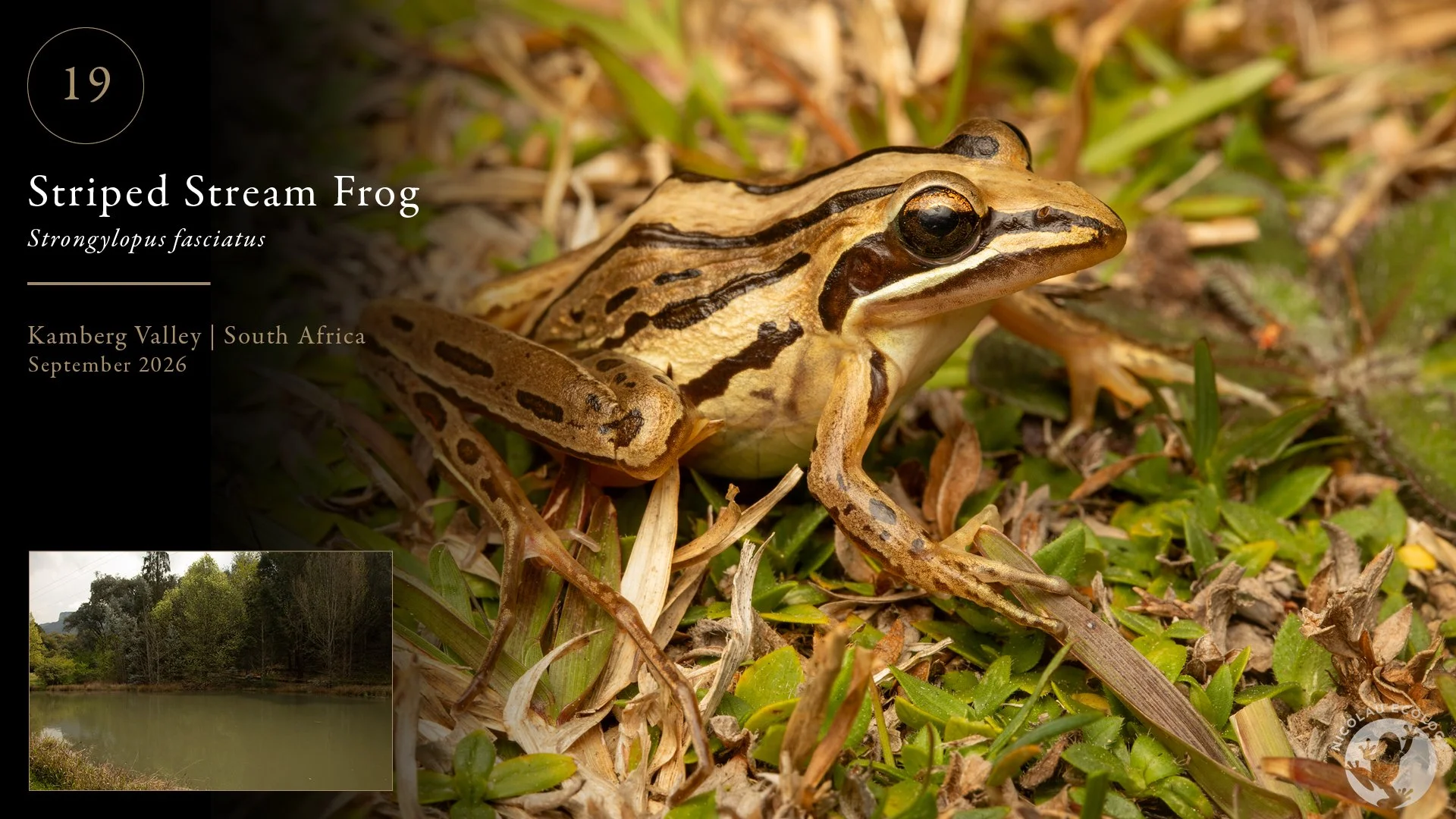
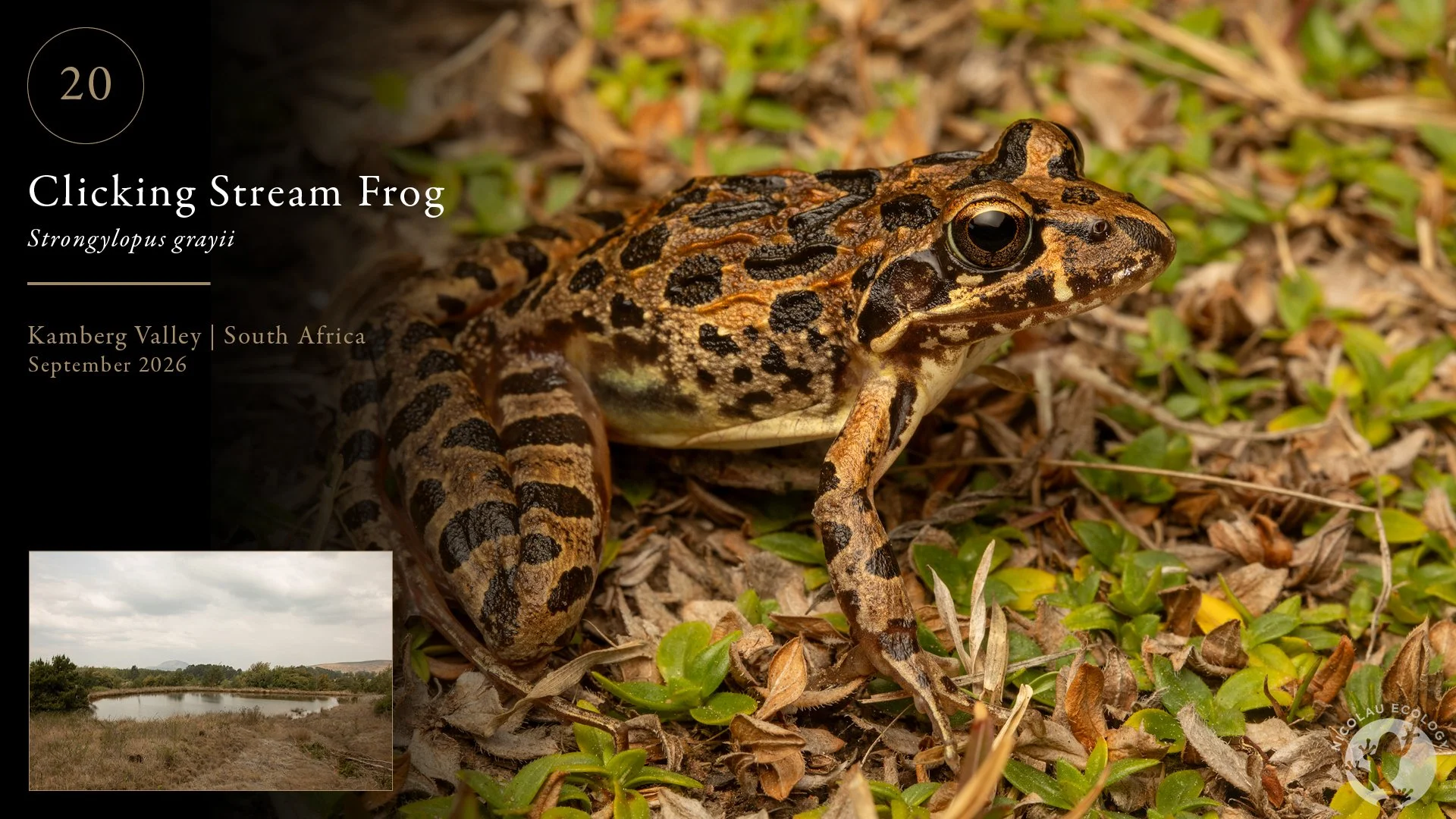
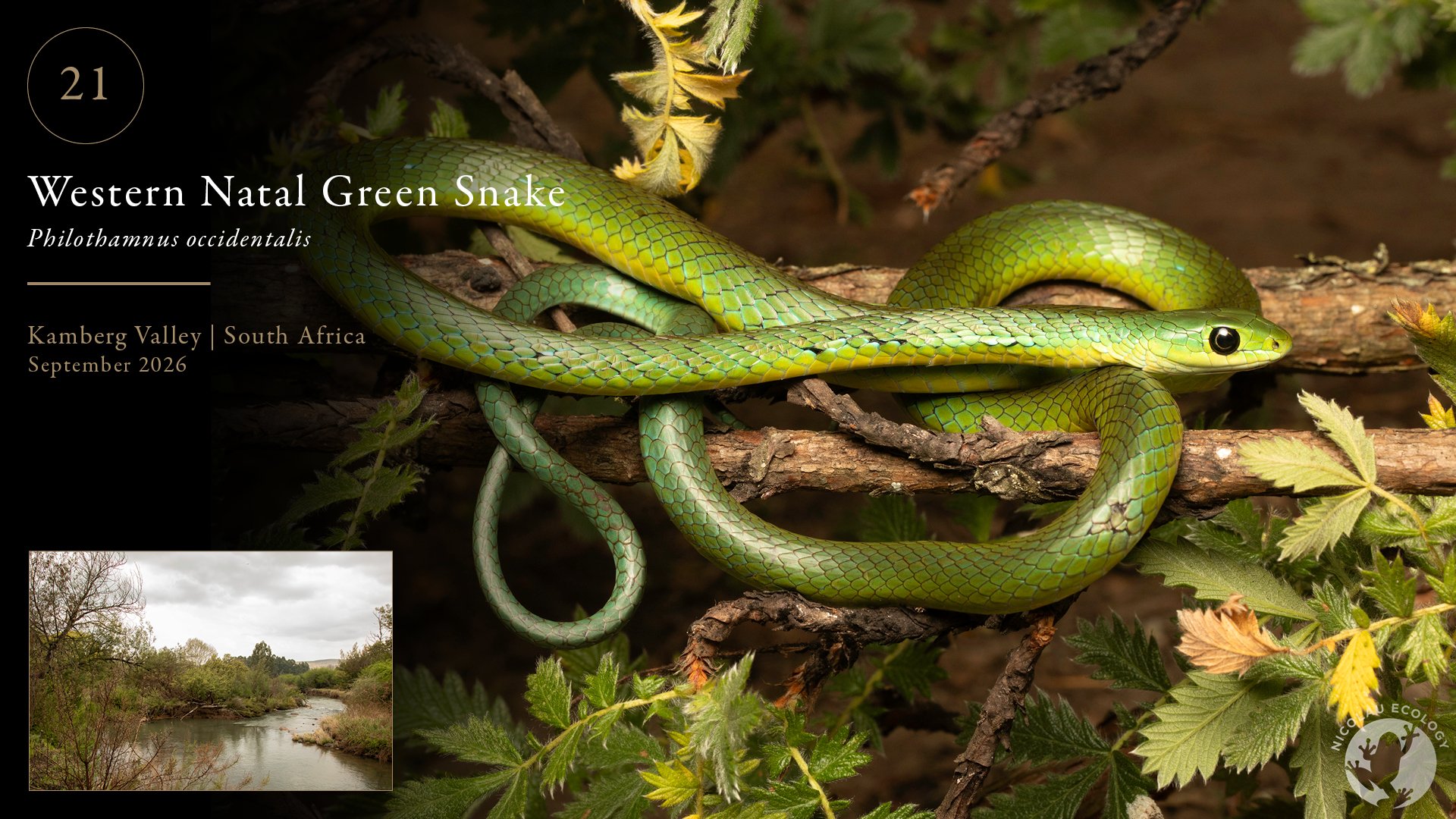
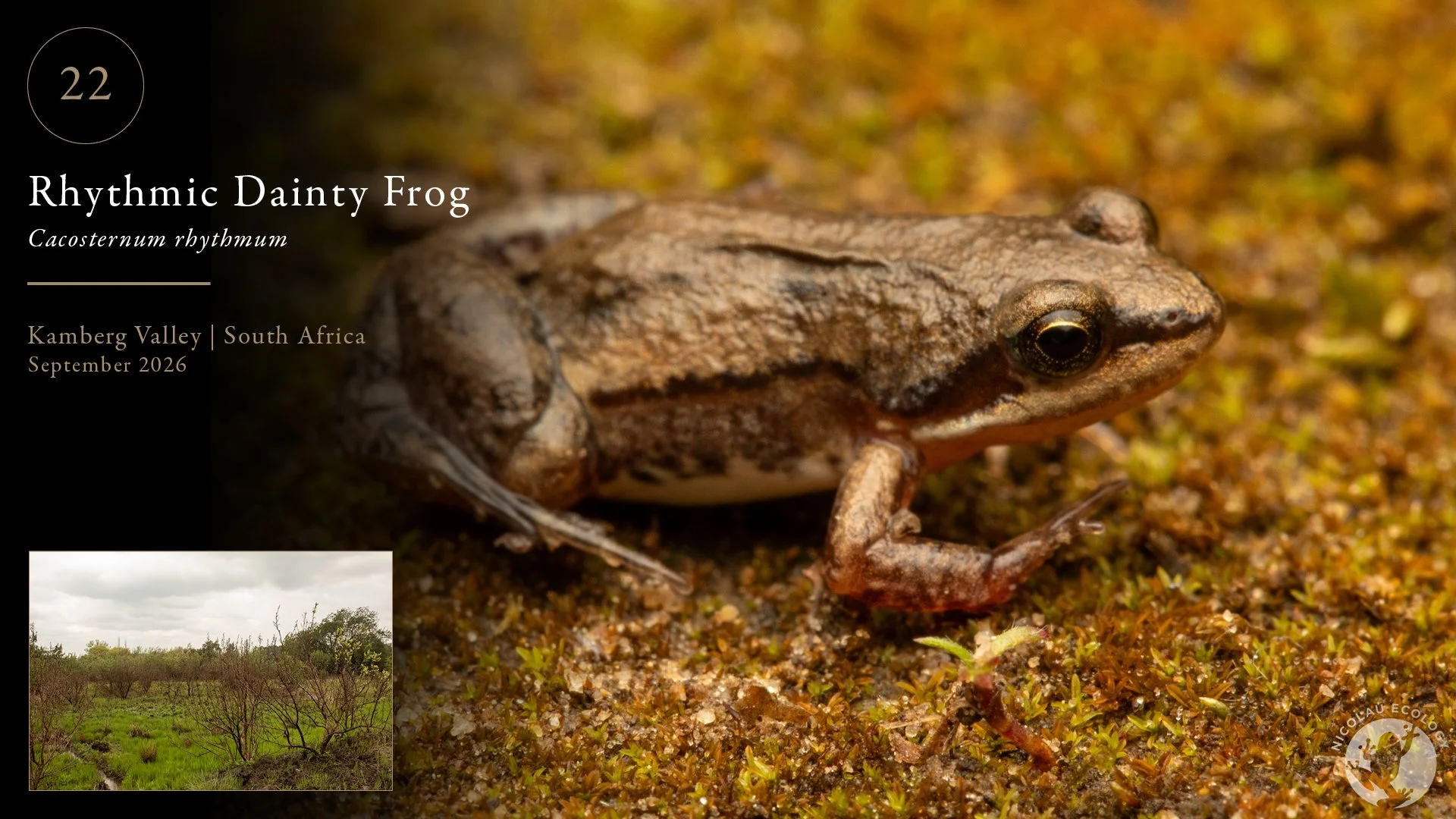
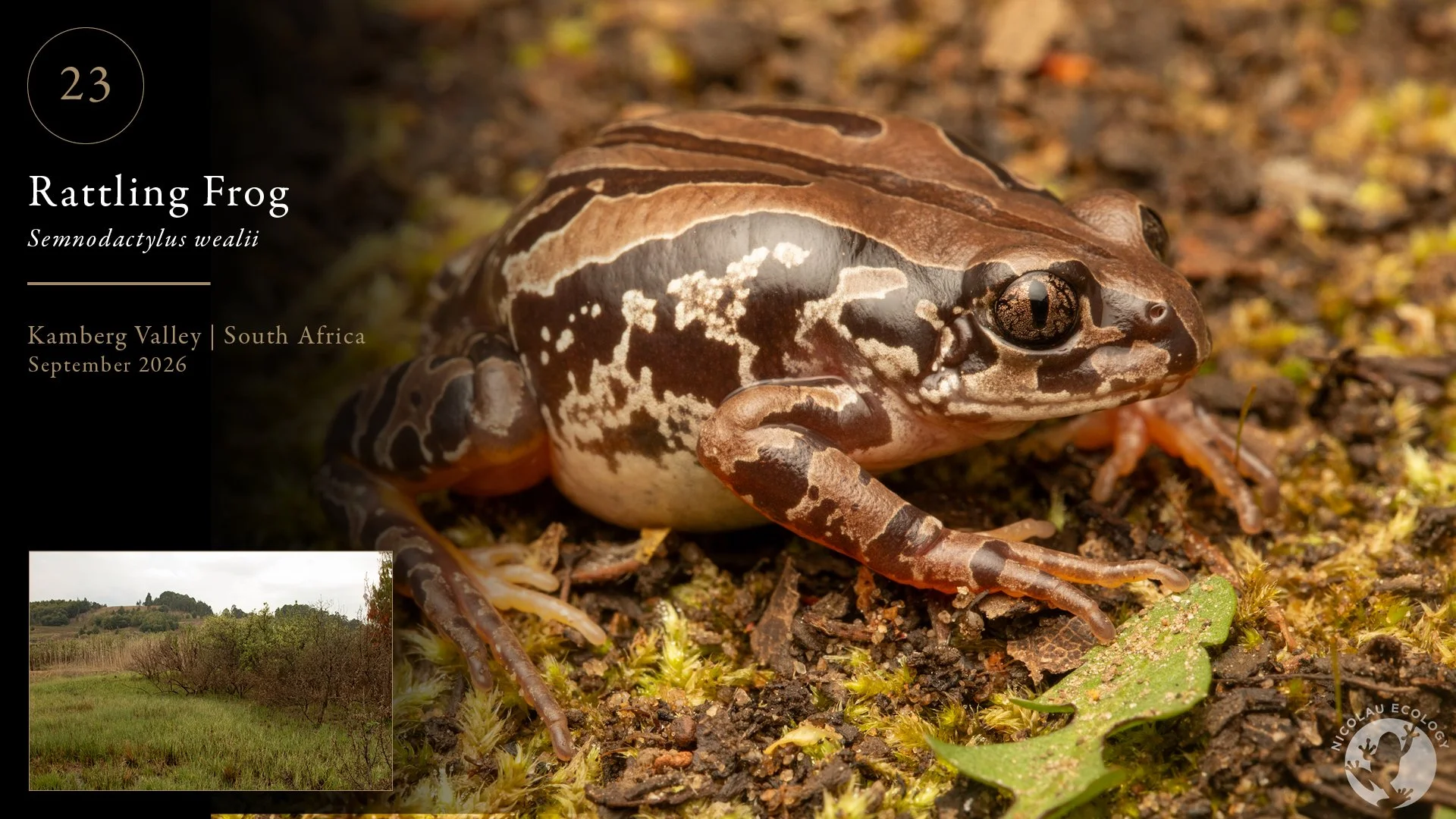
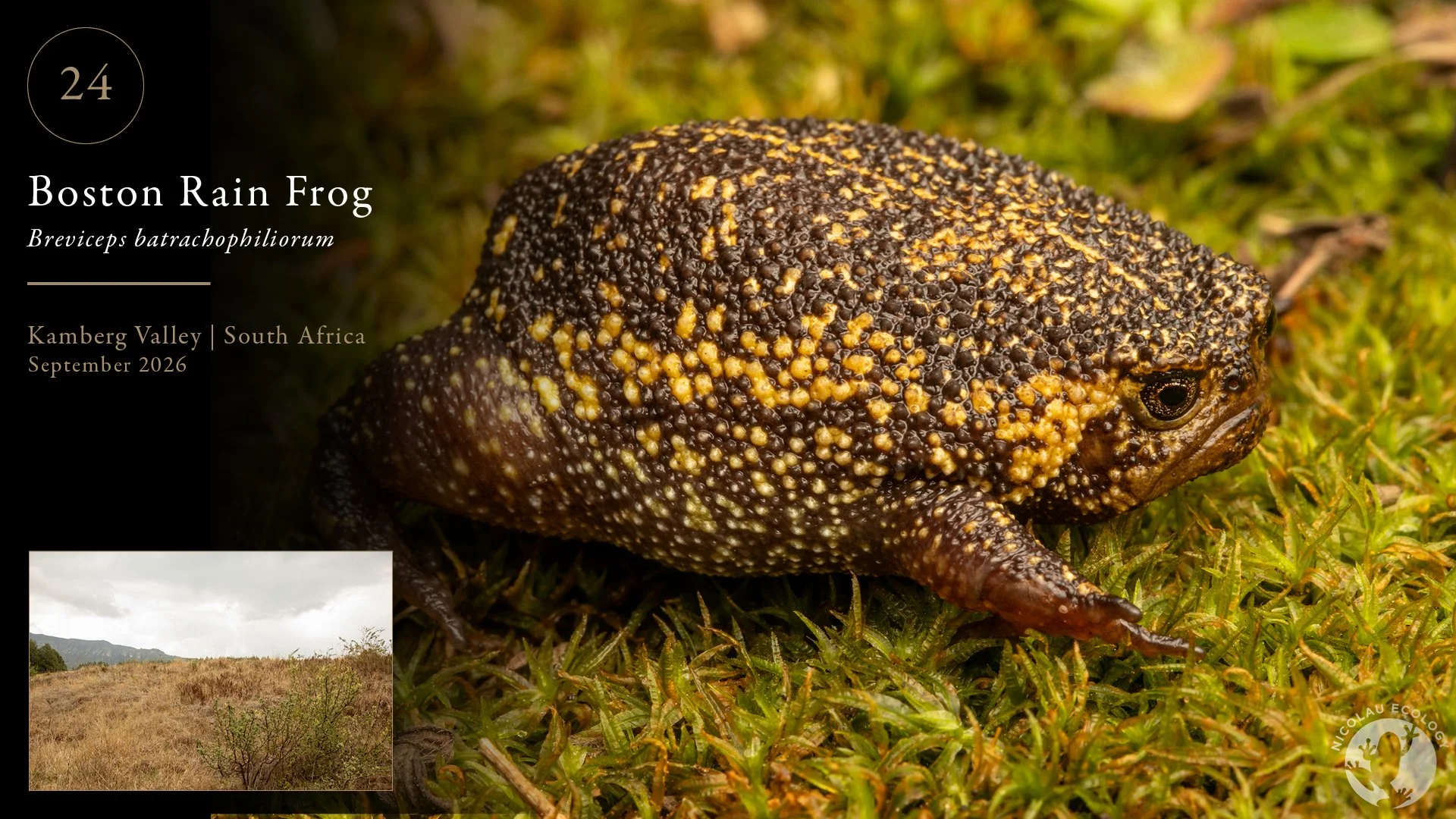
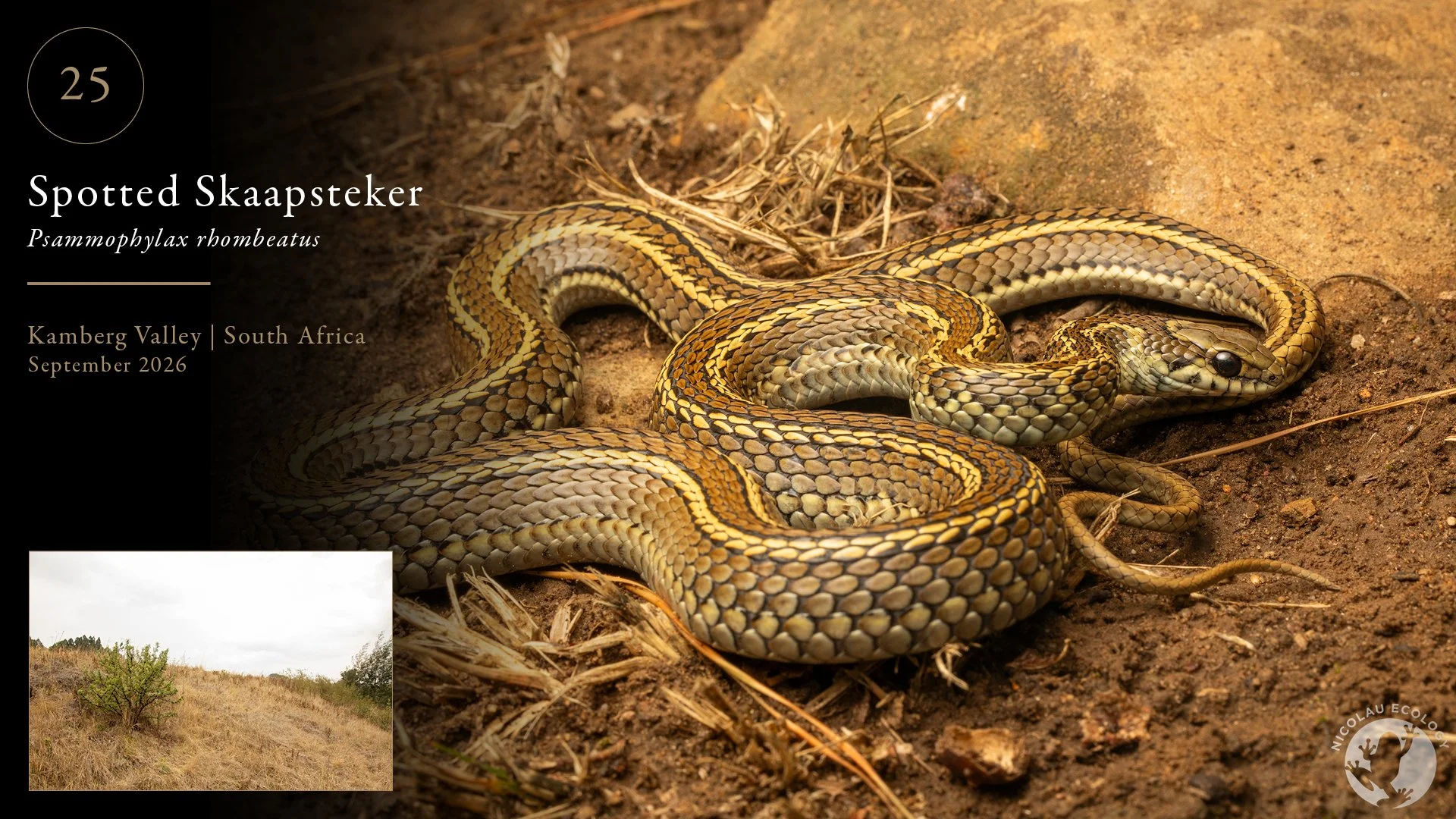
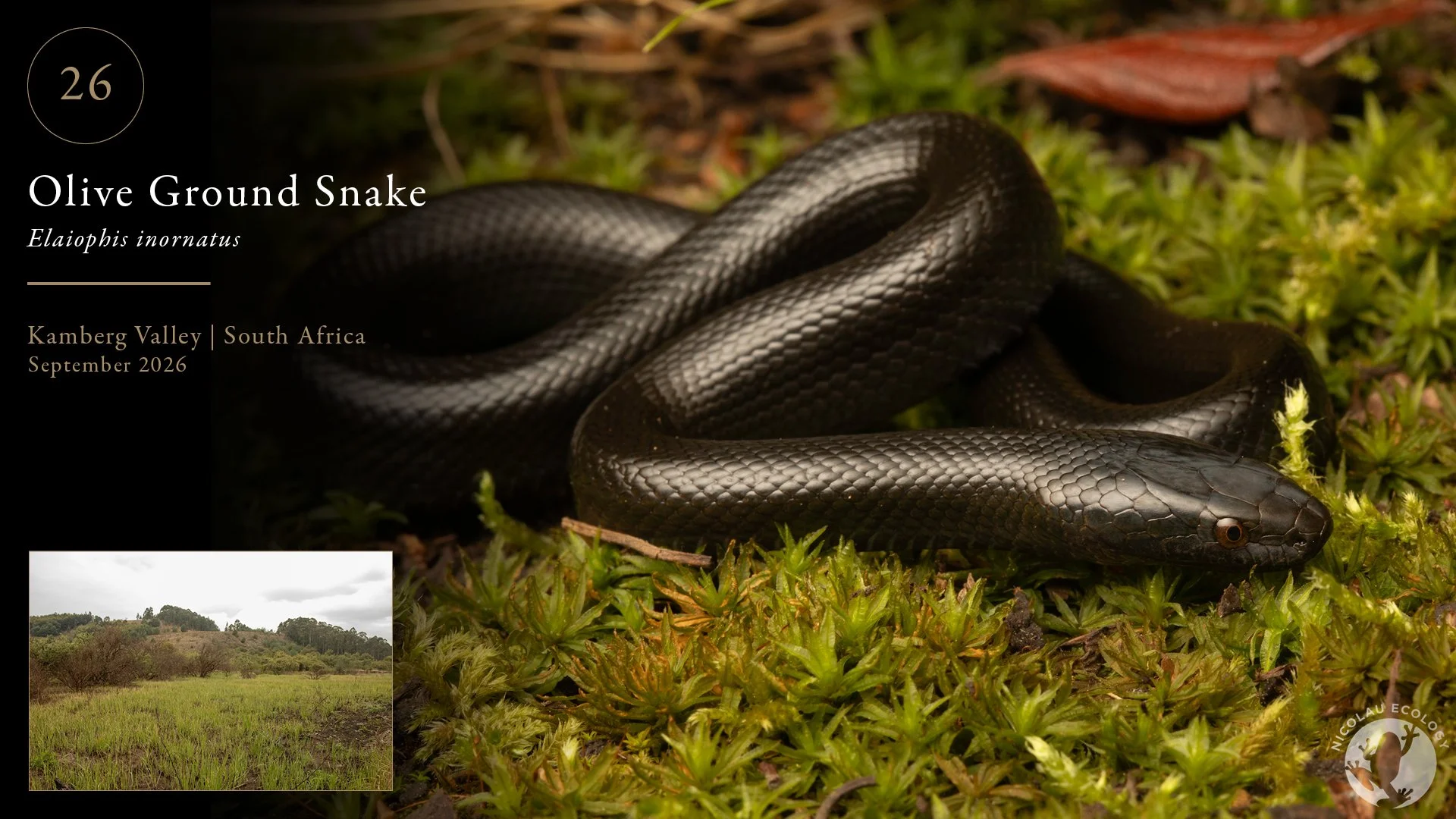
A collection of images from Expedition 02, Part 1. The first 11 species documented for the SAHP in South Africa.
We also had Kyle Finn and leading mammal lister Jon Hall visit us to search for mole-rats. Shortly afterwards, Emily and I travelled down to Coega in the Eastern Cape, putting this episode on hold temporarily. By the time we returned to the Berg, however, spring was in full force, and the rain had started pouring down.
The heavy rainfall produced my first South African lifer of the Southern African Herpetofauna Project, and it was completely unexpected: South Africa’s most recently described frog, the Boston Rain Frog (Breviceps batrachophiliorum). This Endangered species was not known to occur anywhere near our property, with its known distribution being southeastwards in the KwaZulu-Natal Midlands. Finding it here therefore extends its known range to the base of the Drakensberg Escarpment. But also changes the target species for the next expedition, which was planned around finding this exact species. Either way, this was really exciting, but the best part was that we have this species calling from our garden. The rain was not finished with bring out the good stuff. Soon after the Breviceps find, I confirmed a second lifer, although this was one I had almost certainly encountered before but had never confidently “ticked”. The good old Rhythmic Dainty Frog (Cacosternum rhythmum) was finally confirmed from a puddle beside the road leading out of the property.
Whenever the rain briefly stopped, I headed into the mountains. Things were relatively quiet, but I still added two snake species to the project list: the Spotted Skaapsteker (Psammophylax rhombeatus) and the Olive Ground Snake (Elaiophis inornatus). We eventually had about four days of almost continuous rain, although I managed to find a Western Green Snake (Philothamnus occidentalis) beside the river during one of the brief gaps in downpour. The rain was more than welcome because the frogging only continued to improve. We went out searching for the Natal Leaf-folding Frog (Afrixalus spinifrons) and listening for the Endangered Long-toed Tree Frog (Leptopelis xenodactylus). We were unsuccessful on both fronts, although we did find a Rattling Frog (Semnodactylus wealii) crossing the road.
During the final few days, we began preparing for another trip, this time to Sierra Leone in West Africa, once again cutting into the Kamberg expedition. After another period of heavy rainfall, we walked the lower section of the property and became convinced that we could hear Long-toed Tree Frogs calling nearby, along with another species of dainty frog (Cacosternum sp.). You will have to stay tuned for Part 2 of the Kamberg Valley expedition to find out whether we were successful on either front. For now, enjoy the first South African episode of the project: some classic Drakensberg snakes, South Africa’s newest frog species (and our first Endangered species), and a bit of fun around our little home in the Berg.
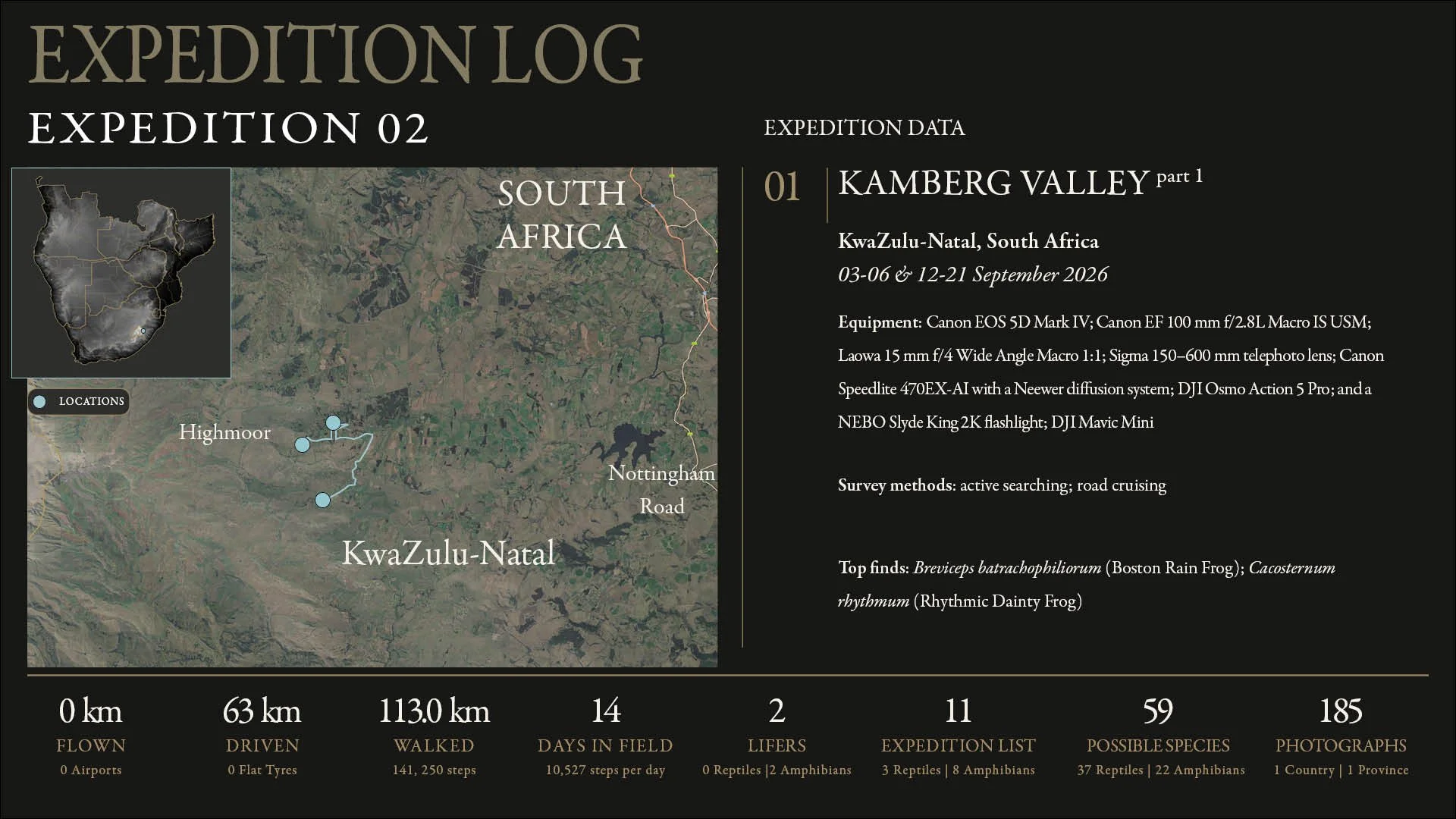
The expedition log displays some of the essential and interesting stats across the expedition’s episodes.
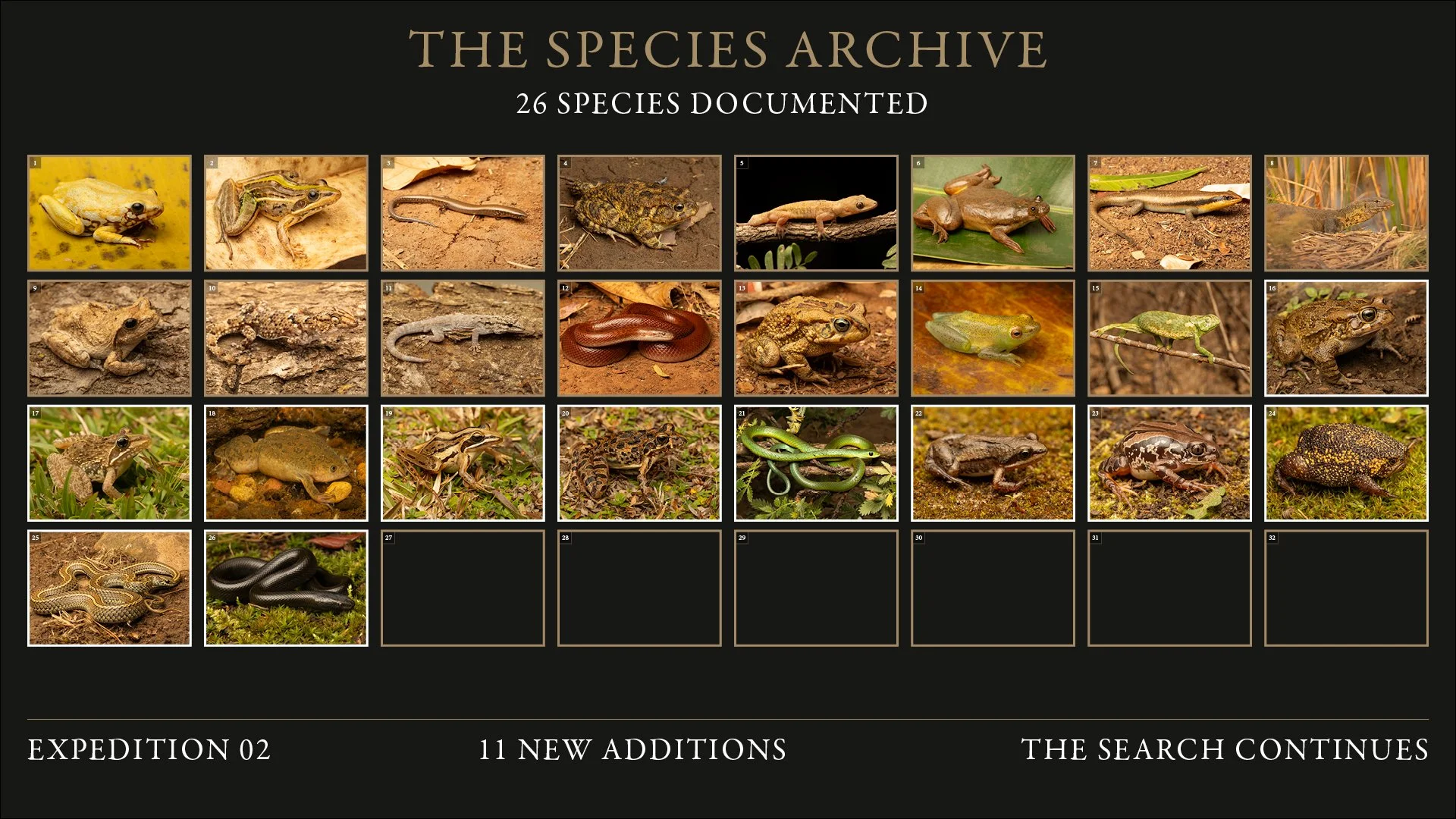
The species archive will be a common site across the SAHP. This will illustrate the total number of species encountered over the course of the project from Day 1. Halfway through expedition 2, we are now at 26 species of herps encountered out of 1176 species for Southern Africa.
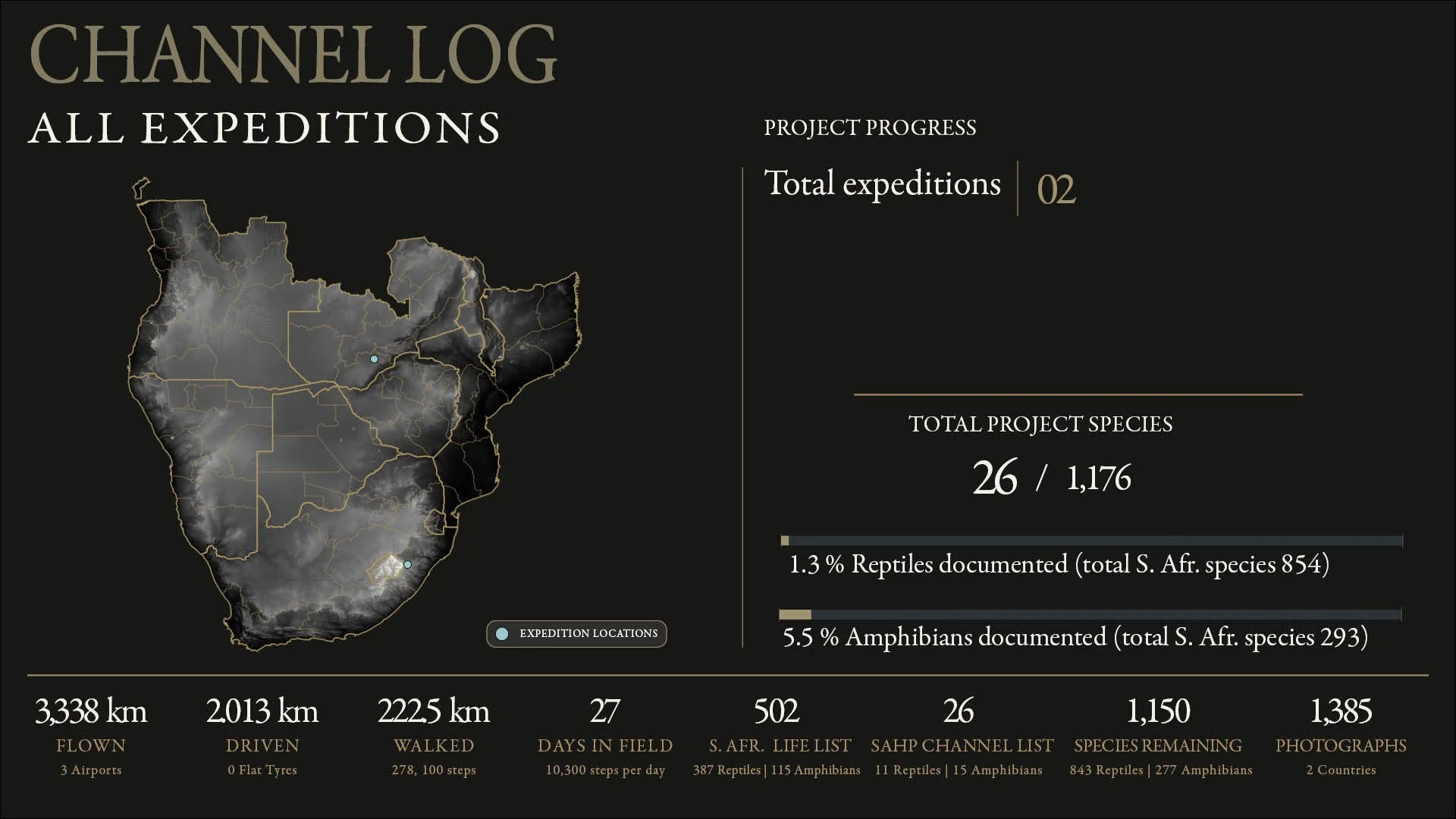
The channel log displays the stats across the duration of the SAHP, from episode 1 until the end of the project.